
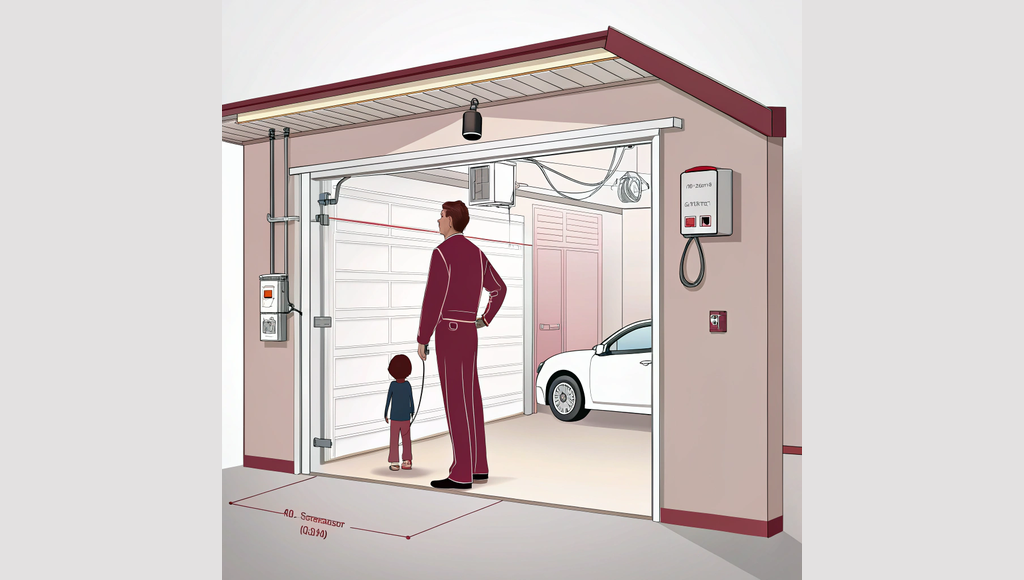
You walk into your garage and see your kids riding bikes near the door. One of them hits the wall button as a joke while their sibling passes underneath. Your heart stops. That split second reminds you why garage door safety isn't something to ignore.
The numbers tell a sobering story. Garage doors cause between 20,000 and 30,000 injuries every year in the United States. What makes this worse is that 90% of those injuries happen to children under 15 years old. These aren't freak accidents. They're preventable incidents that happen when safety features fail, when kids don't understand the dangers, or when homeowners skip basic maintenance checks.
Safety Warning: Children under 15 account for 90% of all garage door injuries, with most accidents occurring during normal door operation when kids are playing nearby.
This guide covers the four critical areas of garage door accident prevention. You'll learn what causes these injuries, which safety features actually work, how to protect children specifically, and which monthly checks you need to perform. If you're looking for broader maintenance and safety strategies, those practices work hand in hand with what we're covering here.
Understanding How Garage Door Accidents Happen
Garage doors injure people in four main ways. Crushing injuries happen when the door falls or traps someone underneath. Pinch injuries occur when fingers get caught between panels, in tracks, or near rollers. Lacerations come from broken glass panels or sharp metal edges. Entrapment fatalities, while less common, result from doors closing on people when safety sensors malfunction.
Most accidents follow predictable patterns. A child runs under a closing door. Someone tries to exit the garage as the door descends. Kids play on or around the door, treating it like playground equipment. Fingers slip between panel sections during operation. What connects nearly all these scenarios is the door's weight and force combined with a moment of inattention.
The timing matters too. About 1,600 injuries each year happen during repair attempts or maintenance work. Another 2,000 involve crushing, 7,500 involve pinching, and 800 come from glass-related cuts. The common thread in 95% of entrapment cases is sensor misalignment or mechanical wear that goes unnoticed. When springs break or cables fray, your door becomes unpredictable and dangerous.
Essential Safety Features Every Garage Door Needs
Photo-eye sensors are your first line of defense. These paired sensors sit about six inches off the garage floor on each side of the door opening. They create an invisible beam across the doorway. If anything breaks that beam while the door is closing, the door should immediately stop and reverse. This technology has been mandatory on all residential garage door openers since 1993.
Auto-reverse mechanisms work differently but serve the same purpose. When the closing door encounters resistance, it should reverse within two seconds. The force setting controls how much pressure triggers this reversal. Federal standards require this force to be 15 pounds or less. You can test it yourself by placing a 2x4 board flat under the door and watching whether it reverses on contact.
Did You Know? Properly aligned photo-eye sensors prevent 100% of entrapment accidents. Testing them monthly takes 30 seconds and could save a life.
If your garage door was installed before 1993, it probably lacks these safety features. Older doors also miss pinch-resistant panel designs that protect fingers from getting caught between sections. The emergency release handle needs to be accessible but not so low that young children can reach it during normal play. Getting a professional evaluation makes sense if your door predates modern safety requirements. Our sensor alignment and testing guide walks through the specifics of keeping these systems working correctly.
Child-Specific Protection Strategies
Children don't naturally understand that garage doors are dangerous. They see a large moving object and think it's interesting, not threatening. Your job is creating physical barriers and clear rules that protect them even when they don't fully grasp the risks.
Start with control placement. Wall-mounted control buttons need to be at least five feet off the ground, well above where children can reach them. Remote controls belong on your visor or keychain, never left where kids might find them and treat them like toys. This single change prevents children from operating the door unsupervised.
Pro Tip: Teaching children to yell "STOP" if anyone is near the door during operation creates a family safety habit that works even when you're not watching.
Teach specific rules and repeat them often. Never stand under a moving door. Never touch a moving door. Never play on or around the door. Run monthly drills where you practice these rules. Make it routine enough that kids know exactly what to do.
Keep play areas and bike paths away from the door's operational zone. If your garage serves as a play space, establish clear boundaries about when the door can operate and when it can't. Supervise every single time the door moves while children are in the garage. Every single time. The few seconds it takes to close aren't worth the risk of distraction.
When you need safety upgrades or repairs, choosing a reliable contractor who understands and prioritizes these child safety features makes a real difference in how thoroughly the work gets done.
Monthly Safety Checks You Can't Skip
Testing your auto-reverse function takes two minutes and should happen monthly. Place a 2x4 board or a thick roll of paper towels flat on the garage floor in the door's path. Press the button to close the door. When it touches the object, it should immediately reverse upward. If it doesn't, your force settings need adjustment or your sensors need attention.
Next, test the photo-eye sensors. Start closing the door, then wave your leg through the sensor beam about six inches off the ground. The door should stop and reverse instantly. If it keeps closing, clean the sensor lenses with a dry cloth and make sure they're aligned properly. Small LED lights on the sensors usually indicate when they're receiving signals correctly.
Try the manual lift test. Pull the emergency release handle to disconnect the door from the opener. Lift the door manually to about waist height and let go. A properly balanced door should stay in place or move very slowly. If it crashes down or shoots up, your springs are wearing out and need professional replacement soon.
Look at the cables running along both sides of the door. Fraying, broken strands, or any visible damage means you need to stop using the door and call for service immediately. Check the rollers for cracks or flat spots. Listen for grinding, scraping, or unusual noises during operation. These signs point to problems before they become emergencies.
Our annual maintenance checklist covers these tests in more detail along with the seasonal tasks that keep your door operating safely year-round. When you spot something wrong during these monthly checks, don't wait to address it.
Getting these safety practices in place protects your family from joining the 20,000 people injured by garage doors each year. The monthly tests become routine after a few cycles, and teaching your children the rules builds habits that last a lifetime. Start this weekend with a complete safety check. Test your sensors, check your auto-reverse, and have a family conversation about the rules. If your door lacks modern safety features or if something doesn't work right during testing, that's your signal to bring in a qualified technician. The cost of prevention is always less than the cost of an accident.
FAQs
How often should I test my garage door safety sensors?
Test your garage door safety sensors monthly. Close the door and wave your leg through the sensor beam about six inches off the ground. The door should stop and reverse immediately. If it doesn't, clean the sensor lenses and check alignment. Monthly testing catches problems before they become dangerous, especially for families with children.
What causes most garage door accidents involving children?
Most child accidents happen when kids play near a closing door or operate controls unsupervised. Children under 15 account for 90% of all garage door injuries. Common scenarios include running under moving doors, fingers caught between panels, and treating the door like playground equipment. Proper supervision and positioning wall controls at least five feet high prevents most incidents.
How can I tell if my garage door auto-reverse is working properly?
Place a 2x4 board flat on the floor in the door's path. Press the button to close the door. When it touches the board, it should immediately reverse upward. If it doesn't stop within two seconds or keeps pushing down, your force settings need adjustment or your opener requires professional service right away.
Are garage doors installed before 1993 safe for children?
Pre-1993 garage doors lack mandatory safety features like photo-eye sensors and proper auto-reverse mechanisms. These older systems also miss pinch-resistant panel designs that protect fingers. If your door predates 1993, get a professional safety evaluation. Upgrading to modern safety equipment dramatically reduces accident risk, especially for households with children.
- garage door child safety
- prevent garage door accidents
- garage door injury prevention
- garage door safety sensors